Opening Soon! Join our email list for launch updates & exclusive early access.

What Makes a Baby & Me Class Great?

If you’re a parent searching for play-based baby classes near you, you’re probably not just looking to fill time. After talking to dozens of parents in both Denver and Aurora, I’ve noticed a common theme: families want classes where their babies are actually engaged, where the children are moving, trying new things, and curious about what’s happening around them.
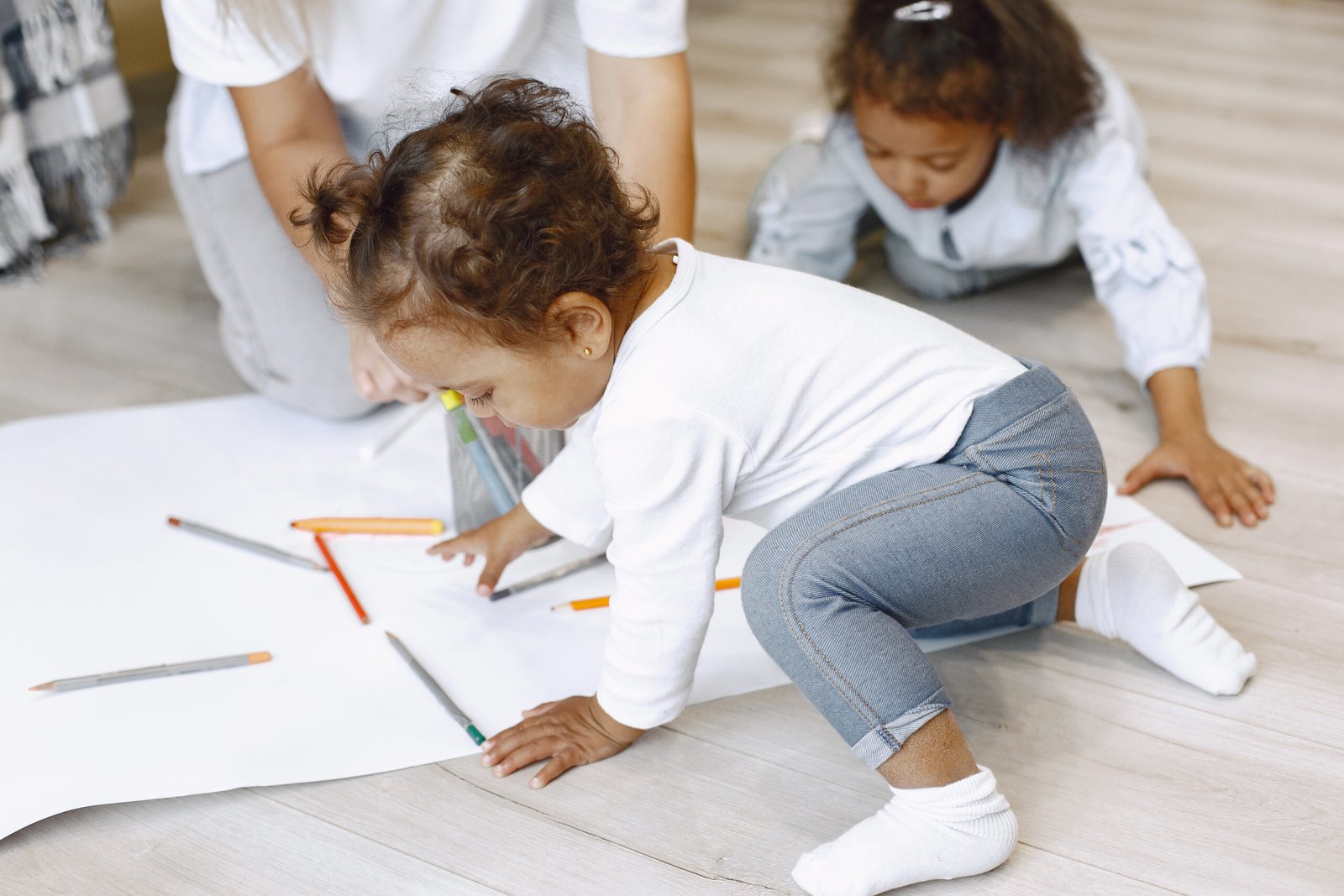
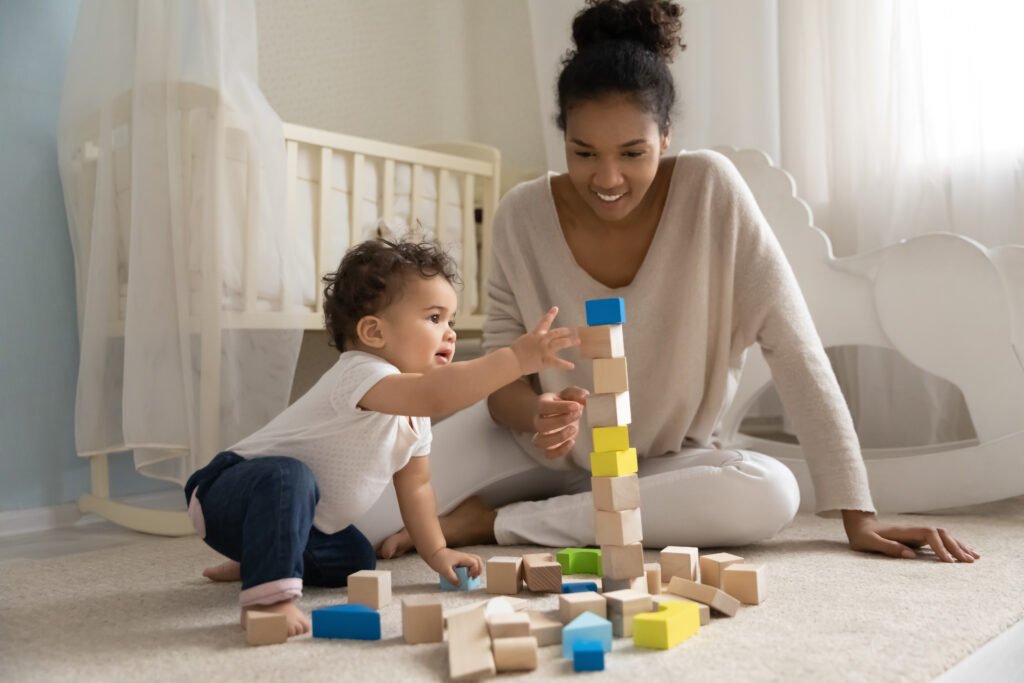
What play-based learning really looks like for young children

For babies and toddlers, play isn’t just something fun to do. It’s how they learn.

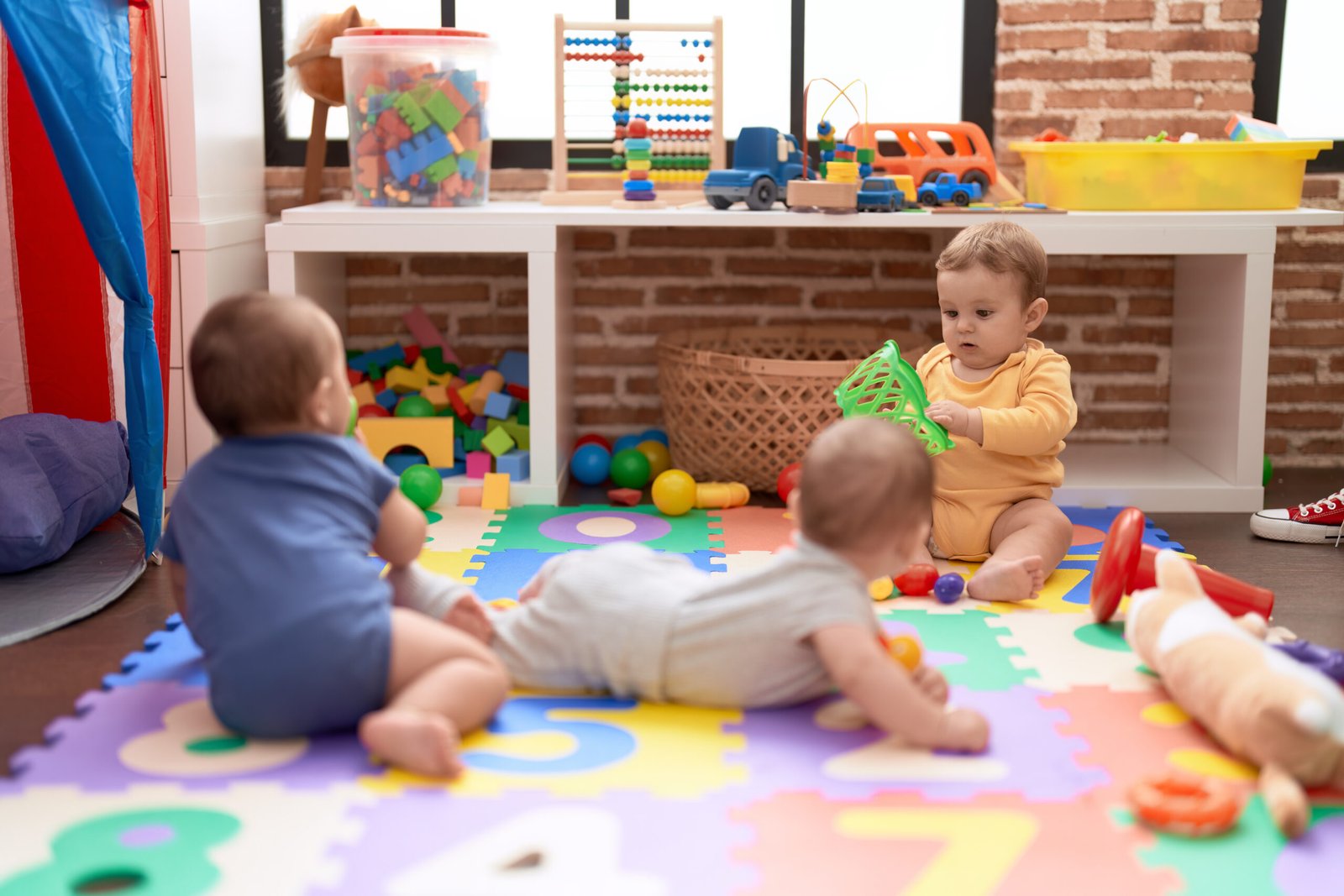
Before children can follow directions or sit through structured activities, they’re learning by moving their bodies, touching everything in sight, listening, watching, and connecting with the people around them. A truly play-based baby class doesn’t come with a list of expectations or steps to follow. Instead, it gives babies space to explore and figure things out at their own pace.

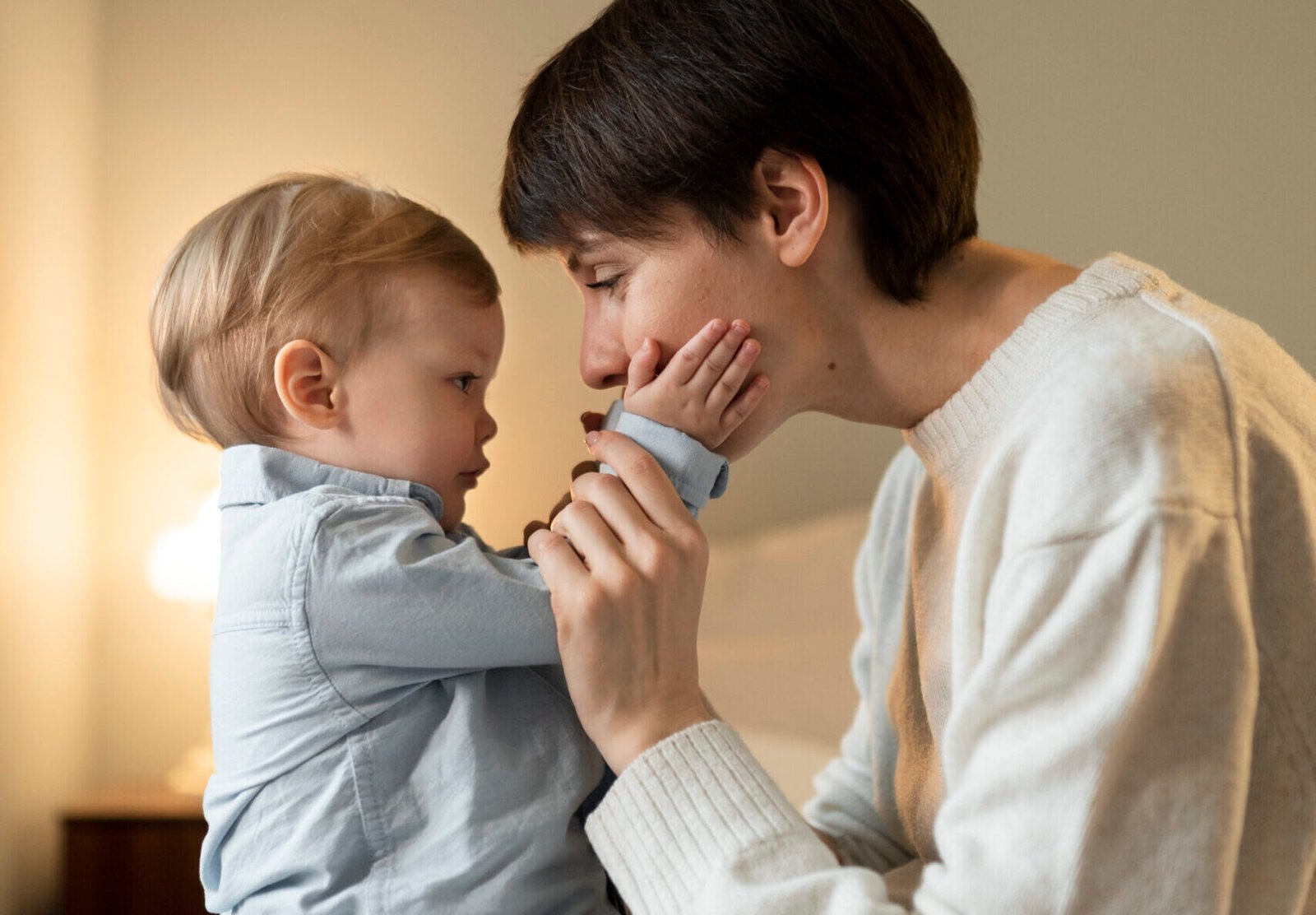
In a great play-based class, you’ll usually see babies exploring toys freely, moving their bodies in ways that naturally build strength, balance, and coordination, engaging in sensory experiences that help them make sense of what they’re feeling and seeing, and spending lots of time connecting with their caregivers.

Rather than sticking to a lesson plan, these classes follow the child’s lead and lean into their natural curiosity, which is especially important in the early years.

Why play-based baby classes are so important in the first three years

From birth to age three, a baby’s brain is developing faster than it ever will again. During this time, everyday experiences shape not just physical skills, but how children learn to focus, regulate emotions, and feel comfortable exploring the world around them.

Play-based baby classes support this process by offering intentional experiences that meet babies where they are. Through play, babies are:

  • Learning cause and effect (“If I do this, that happens”)
  • Building confidence as they try new movements and ideas
  • Practicing problem-solving through repetition and exploration
  • Developing early attention skills by following their own curiosity
  • Learning how their bodies interact with the world around them
  • Building strength and coordination through movement
  • Using their senses to explore different textures, sounds, and movements — which helps them make sense of new experiences
  • Getting comfortable being in new spaces and around other children, without any pressure to interact or perform

Just as importantly, these classes help parents understand what healthy development actually looks like. Watching skills emerge naturally can replace a lot of second-guessing with reassurance. Classes can also help caregivers feel more confident supporting learning at home by showing how simple, everyday play can be intentional and meaningful.

This philosophy is at the heart of our classes at Baby University. Our classes are intentionally designed to support development while following each child’s lead, and to help parents understand what their child is working on and how to support it at home.

What to look for in a play-based baby class

Not every baby class that uses the word play is truly play-based.

High-quality play-based classes are designed with intention. They aren’t built around filling time or entertaining babies. They’re built around supporting how babies grow, move, and learn in the early years. When you attend a thoughtfully designed class, you can usually feel the difference right away.

In strong, intentionally designed play-based classes, you’ll often notice:

  • Small, age-appropriate groupings so activities match where babies are developmentally
  • Play experiences with a clear purpose, where babies are encouraged to move, explore, reach, grasp, and interact in ways that support development, even though it still feels like play
  • A calm, thoughtfully designed environment, with open-ended play opportunities that babies can engage with in different ways, whether that’s watching, touching, moving, or simply observing
  • Caregivers actively participating, not just standing on the sidelines, so learning happens through shared experience and connection
  • Built-in parent education, where the instructor explains what babies are practicing during an activity, what’s happening in their bodies and brains, and how that same kind of play can be supported at home

When classes are created this way, play isn’t random and movement isn’t accidental. Every activity is chosen to support development in a way that feels natural and enjoyable. These details matter because they shape how babies experience learning.

As you compare classes in Denver and Aurora, or try one out for the first time, this can be a helpful lens. If you can see why an activity matters, even when it looks simple, that’s usually a sign you’re in a thoughtfully designed, truly play-based class.

How play-based baby classes support learning at home

One of the biggest benefits of a thoughtful play-based baby class is what stays with you once you leave the room. Many parents walk away with a clearer picture of what development actually looks like at this age, simple play ideas they can easily repeat at home, and more confidence reading their baby’s cues and responses. Just as importantly, there’s often a sense of reassurance that their child doesn’t need to be rushed or pushed.

Over time, everyday moments start to feel different. Tummy time on the living room floor, reaching for a favorite toy, or singing during diaper changes begins to feel more purposeful. Not because you’re “doing more,” but because you understand how these small interactions support learning and growth.

There isn't a wrong way to play

You don’t need to find the “perfect” baby class or do everything right for your child to thrive. What matters most is that your baby has space to move, explore, and be themselves, and that you feel supported along the way. In the early years, learning doesn’t need to be complicated. Often, it looks a lot like play, and that’s exactly the point.

If a class feels calm, intentional, and aligned with your child’s pace, and if you leave feeling a little more confident than when you arrived, that’s usually a sign you’re in the right place.

References:

National Association for the Education of Young Children. (2022). The power of playful learning. Young Children, Summer 2022.
https://www.naeyc.org/resources/pubs/yc/summer2022/power-playful-learning

Kayli Besser

Kayli Besser

Hi! I’m Kayli, wife to an incredible husband, mom to a sweet, energetic two-year-old boy, dog mom to two crazy pups, and founder of Baby University. As a former preschool teacher with a background in Early Childhood Education, I’ve used my expertise to offer an innovative approach to early childhood development, blending fun, play, and learning in a way that feels natural and exciting.

Subscribe to Our Newsletter

Keep in touch with our news & offers